The aroma of freshly toasted bread is a morning ritual for many, but have you ever paused to consider what your toaster is made of? The body material of your toaster – whether plastic or stainless steel – is more than just an aesthetic choice; it significantly impacts durability, performance, and, crucially, your health. In a world increasingly concerned with chemical exposure, understanding the safety implications of your kitchen appliances is paramount. This article dives deep into the debate, comparing plastic and stainless steel toaster bodies to help you make an informed decision for a safer and more enjoyable toasting experience.
The Materials Beneath the Toast: Understanding Your Toaster’s Body
Before we assess safety, it’s essential to understand the primary materials used in toaster construction. Most toasters feature an outer shell made from either plastic or stainless steel, encasing the heating elements and internal mechanisms. While the internal components are vital, the body material is your first point of contact and interaction, making its properties especially relevant to daily use and long-term safety.
Plastic Toasters: Affordability Meets Potential Concerns
Plastic toasters have long been a staple in kitchens worldwide, primarily due to their affordability and versatility in design. They come in a myriad of colors and shapes, allowing for easy integration into diverse kitchen aesthetics. However, their cost-effectiveness often comes with potential trade-offs, particularly when it comes to durability and safety.
Advantages of Plastic Toasters
- Cost-Effectiveness: Plastic models are typically more budget-friendly, making them an accessible option for many households.
- Design Variety: The malleability of plastic allows for a vast range of colors and unique designs, offering more personalization options.
- Lighter Weight: Generally lighter than their stainless steel counterparts, plastic toasters are easier to move and store.
|
Our Picks for the Best Toaster in 2026
As an Amazon Associate I earn from qualifying purchases.
|
||
| Num | Product | Action |
|---|---|---|
| 1 | bella 2 Slice Slim Toaster, Fits-anywhere™ Kitchenware, 6 Setting Shade Control with Reheat & Cancel Buttons, Fits sourdough, 10” Long Slot, Anti Jam & Auto Shutoff, 900 Watt, Plum |

|
| 2 | Touch Screen Toaster - 4 Slice, 2 Extra Long Slots - 5 Bread Types and 6 Browning Levels - Defrost, Reheat, Favorite, & Single Slot Modes - For Toast, Bagels, & Waffles – White |
|
| 3 | Amazon Basics 2 Slice Toaster, With 6 Browning Settings, Extra Wide Slots For Bagels and Special Breads, Removable Easy-to-Clean Crumb Tray, Cancel/Defrost/Bagel Buttons, 900W, Black & Silver |
|
| 4 | STRING SET BASS STD 45w 55w 75w 105w |
|
| 5 | bella 2 Slice Slim Toaster, Fits-anywhere™ Kitchenware, 6 Setting Shade Control with Reheat & Cancel Buttons, Fits sourdough, 10” Long Slot, Anti Jam & Auto Shutoff, 900 Watt, Blossom |
|
| 6 | bella 2 Slice Slim Toaster, Fits-anywhere™ Kitchenware, 6 Setting Shade Control with Reheat & Cancel Buttons, Fits sourdough, 10” Long Slot, Anti Jam & Auto Shutoff, 900 Watt, Oatmilk |
|
| 7 | KEYWIND VTG RIC DELUXE LONG SE |
|
| 8 | bella 2 Slice Slim Toaster, Fits-anywhere™ Kitchenware, 6 Setting Shade Control with Reheat & Cancel Buttons, Fits Sourdough, 10” Long Slot, Anti Jam & Auto Shutoff, 900 Watt, Seaglass |
|
| 9 | bella 2 Slice Slim Toaster, Fits-anywhere™ Kitchenware, 6 Setting Shade Control with Reheat & Cancel Buttons, Fits Sourdough, 10” Long Slot, Anti Jam & Auto Shutoff, 900 Watt, Surf |
|
| 10 | Elite Gourmet ECT1027B Cool Touch Toaster with 6 Temperature Settings & Extra Wide 1.25" Slots for Bagels, Waffles, Specialty Breads, Puff Pastry, Snacks, ETL Certified, 2 Slices, Black |
|
Disadvantages and Safety Concerns of Plastic Toasters
Despite their advantages, plastic toasters raise several concerns, particularly regarding heat exposure. When subjected to the high temperatures generated during toasting, certain plastics can degrade and, more critically, leach chemicals into the surrounding environment. Common concerns include BPA (Bisphenol A) and phthalates, which are endocrine disruptors linked to various health issues. Over time, plastic can also deform, crack, or become discolored, compromising the toaster’s structural integrity and aesthetic appeal. This makes them a less durable option, often requiring replacement sooner than stainless steel models.
 Illustration showing chemicals leaching from a heated plastic toaster into the air.
“While modern plastic toasters often claim to be ‘BPA-free,’ the concern about other potential chemical leaching under high heat remains a valid consideration for health-conscious consumers.” – Dr. Emily R. Chen, Environmental Health Specialist
Stainless Steel Toasters: A Premium Choice for Durability and Peace of Mind
Stainless steel toasters have become increasingly popular, gracing modern kitchens with their sleek, professional aesthetic. Beyond their sophisticated appearance, stainless steel offers significant advantages in terms of durability, performance, and, most importantly, safety.
Advantages of Stainless Steel Toasters
- Superior Heat Resistance: Stainless steel is inherently resistant to high temperatures, preventing deformation or the release of harmful chemicals even under intense heat. This chemical stability is a key safety benefit.
- No Chemical Leaching: Food-grade stainless steel (such as 304 or 316) is non-reactive and does not leach BPA or other toxic chemicals into the air or food during operation. This makes it a far safer option for daily use.
- Exceptional Durability and Longevity: Stainless steel is resistant to rust, corrosion, and dents, ensuring a longer lifespan for the appliance. Its robust nature means it can withstand years of use without losing its structural integrity or quality.
- Hygienic and Easy to Clean: The smooth, non-porous surface of stainless steel naturally inhibits bacterial growth, making it more hygienic than some porous plastic materials. It’s also straightforward to wipe clean, reducing the risk of food residue buildup.
- Modern Aesthetic: Stainless steel appliances lend a sleek, contemporary look to any kitchen, enhancing its overall appeal.
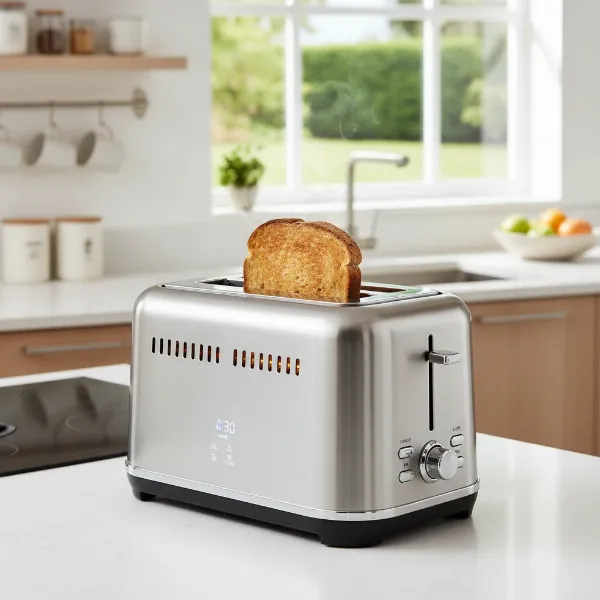 Sleek modern stainless steel toaster in a clean, contemporary kitchen setting.
Disadvantages of Stainless Steel Toasters
- Higher Upfront Cost: Stainless steel toasters generally come with a higher price tag than plastic models, representing a greater initial investment.
- Can Become Warm to the Touch: While modern stainless steel toasters often feature insulation to minimize heat transfer, the exterior can still become warm during prolonged use. Users should exercise caution to avoid burns.
- Fingerprint Prone: Polished stainless steel surfaces can sometimes show fingerprints, requiring more frequent wiping to maintain their pristine appearance.
Plastic vs. Stainless Steel: A Direct Safety Comparison
When directly comparing the safety of plastic and stainless steel toaster bodies, the evidence clearly points towards stainless steel as the superior choice.
| Feature | Plastic Toaster Body | Stainless Steel Toaster Body |
|---|---|---|
| Chemical Leaching | Potential risk of BPA, phthalates, and other toxins | Extremely low risk; non-reactive, no harmful chemical release |
| Heat Resistance | May deform or degrade over time with heat | Excellent; withstands high temperatures without issues |
| Durability | Shorter lifespan, prone to cracks/discoloration | Long-lasting, resistant to rust, corrosion, and dents |
| Hygiene | Can be porous, potentially less hygienic | Non-porous, naturally antibacterial, easy to clean |
| Overall Safety | Moderate concern, especially with older/cheaper models | High; considered the safest material for toaster bodies |
| Maintenance | Easy to clean, but may stain | Easy to clean, but may show fingerprints |
| Cost | Generally more affordable | Higher initial investment, but better long-term value |
The primary concern with plastic toasters revolves around the potential for harmful chemicals to leach, particularly when exposed to the high heat required for toasting. Stainless steel, especially food-grade varieties like 304 or 316, remains inert and stable under these conditions, offering a worry-free toasting experience.
Beyond the Body: Other Safety Considerations for Toasters
While the body material is a significant factor, it’s also important to consider other elements that contribute to a toaster’s overall safety profile. Some toasters, regardless of exterior material, might contain internal components with non-stick coatings that use PFAS (per- and polyfluoroalkyl substances), often referred to as “forever chemicals.” These can pose health risks if they degrade or scratch. Additionally, older toasters might use lead solder or less safe wiring insulation. When purchasing, look for models that explicitly state “PFAS-free” interiors or use ceramic/stainless steel for internal food-contact surfaces. Always prioritize models from reputable brands that adhere to modern safety standards.
Making an Informed Choice: Tips for Buyers
Choosing the right toaster involves balancing budget, aesthetics, and safety. To ensure you bring a safe appliance into your home, consider these tips:
- Prioritize Stainless Steel: For optimal safety and durability, opt for toasters with a food-grade stainless steel body. Look for specifications like “304 stainless steel.”
- Check for Internal Materials: Investigate the materials used for the internal components, especially those that come into direct contact with your food. Stainless steel or ceramic interiors are preferable to non-stick coatings.
- Read Reviews and Certifications: Look for products with positive safety reviews and relevant safety certifications.
- Consider Your Usage: If you toast frequently, the durability and chemical stability of stainless steel make it a more sensible long-term investment.
- Budget Wisely: While stainless steel might have a higher upfront cost, its longevity and superior safety profile often provide better value over time.
Conclusion
The debate between plastic and stainless steel toaster bodies ultimately leans heavily towards stainless steel when safety is the paramount concern. With its inherent heat resistance, chemical stability, and robust durability, stainless steel provides a reliable and healthy option for your daily toasting needs. While plastic toasters offer affordability and design flexibility, the potential for chemical leaching under high heat presents a compelling argument for choosing the metal alternative. Investing in a quality stainless steel toaster is not just about bringing a sleek appliance into your kitchen; it’s about choosing peace of mind, ensuring your breakfast ritual remains both delicious and safe for years to come. What material will you choose for your next toaster, and what factors will drive your decision?
Frequently Asked Questions
Is it safe to use an old plastic toaster?
Older plastic toasters may pose a higher risk of chemical leaching, especially if they are not explicitly labeled BPA-free or if the plastic shows signs of degradation. Newer, high-quality plastics may be safer, but stainless steel generally offers superior chemical stability.
Do all stainless steel toasters get hot on the outside?
Most modern stainless steel toasters are designed with insulation to minimize external heat transfer. While the exterior may still become warm during use, it is typically much less hot than older models or those with poor insulation.
How can I tell if a toaster uses food-grade stainless steel?
Reputable manufacturers will often specify the type of stainless steel used, such as “304 food-grade stainless steel,” in product descriptions or on the packaging. If unsure, checking customer reviews or contacting the manufacturer directly can provide clarity.
Can plastic toasters release microplastics?
While research on microplastic release from household appliances is ongoing, the degradation of plastic under high heat could potentially lead to the release of microparticles. Stainless steel does not pose this particular risk.
Are there any other non-toxic toaster materials to consider?
Beyond stainless steel, some toaster ovens and air fryers feature ceramic or glass components for food contact, which are also considered non-toxic. However, for traditional pop-up toasters, stainless steel is the primary recommended non-plastic body material.