Hello and welcome to the inner circle of toast aficionados! It’s your friendly neighborhood expert from The World of Toaster here. Let’s talk about something near and dear to my heart: the croissant. That buttery, flaky, crescent of pure joy. But I’ve got a question for you. Have you ever truly unlocked its full potential? Learning How To Toast A Croissant the right way is a culinary game-changer, elevating it from a simple pastry to a warm, shatteringly crisp experience. Forget those sad, microwaved-into-sogginess attempts. We’re on a mission to achieve perfection, and I’m here to guide you every step of the way.
Why Bother Toasting a Croissant Anyway?
You might be thinking, “It’s already baked, why mess with a good thing?” That’s a fair question. But a fresh-from-the-bakery croissant and one that’s been sitting on your counter for a few hours are two different beasts. Toasting does more than just warm it up; it’s a transformative process.
The gentle heat melts and redistributes the butter laminated throughout the dough, making every layer even more decadent. It crisps up the exterior, creating that incredible textural contrast between the crunchy shell and the soft, airy interior. It’s the difference between a good breakfast and a great one.
“Toasting a croissant reactivates the butter and crisps the gluten structure. What you’re doing is essentially giving it a mini-bake, bringing back that ‘just out of the oven’ magic. It’s a simple step that yields a massive return in flavor and texture.”
— Eleanor Vance, Head of Product Testing at The World of Toaster
Choosing Your Weapon: The Best Appliances for the Job
Not all heating methods are created equal when it comes to the delicate art of croissant toasting. The goal is an even, golden-brown warmth, not a scorched, flattened tragedy. Let’s break down the pros and cons of your kitchen arsenal.
Can you toast a croissant in a regular pop-up toaster?
Yes, you absolutely can, but with a major caveat. A pop-up toaster is designed for flat slices of bread. Trying to stuff a whole, puffy croissant in there is a recipe for a squashed, unevenly cooked, and potentially burnt mess.
If a pop-up toaster is your only option, here’s the secret:
- Slice it: Carefully slice the croissant in half horizontally, like you’re making a sandwich.
- Use a low setting: Start with the lowest possible heat setting on your toaster. Croissants burn much faster than bread due to their high butter content.
- Watch it like a hawk: Don’t walk away! Stand by and be ready to pop it out manually if it starts to look too dark.
This method works in a pinch, but for the ultimate experience, we can do better. For a deeper dive into settings, check out our guide on understanding your toaster’s features.
The Toaster Oven: Your Croissant’s Best Friend
This, my friends, is the gold standard for how to toast a croissant. A toaster oven provides gentle, ambient heat that envelops the entire pastry, warming it through without crushing its delicate structure. It’s the closest you can get to re-creating the bakery’s oven at home.
- Even Heating: The heating elements warm the air around the croissant, ensuring it gets crispy on the outside while staying soft and steamy on the inside.
- Control: You have precise control over temperature and time, which is critical.
- Space: There’s enough room for the croissant to sit comfortably without being squashed.
The Air Fryer: The Need for Speed
An air fryer is essentially a small, high-powered convection oven. It can deliver a beautifully toasted croissant in a fraction of the time. The circulating hot air is fantastic for creating a super-crispy exterior. However, be cautious—that same power can quickly take your croissant from golden to blackened. A lower temperature and shorter time are key here.
A Foolproof Guide on How to Toast a Croissant in a Toaster Oven
Ready for perfection? Let’s walk through the process step-by-step. This is my go-to method that has never failed me.
- Preheat Your Toaster Oven: Set your toaster oven to 350°F (or about 175°C). Don’t skip the preheat! Putting your croissant into a cold oven will just dry it out as it slowly comes to temperature.
- Assess Your Croissant: Is it a day or two old and a bit stale? If so, here’s a pro tip: lightly spritz it with a tiny bit of water or run your wet hands over the surface. This reintroduces a little steam, preventing it from becoming brittle.
- Place it on the Rack: Place the croissant directly on the middle rack. This allows air to circulate all around it for the most even toasting. Using a pan can sometimes lead to a slightly soft bottom.
- Toast for 3-5 Minutes: This is the sweet spot. A fresher croissant might only need 2-3 minutes. An older, spritzed one might need closer to 5. Keep an eye on it—you’re looking for a beautiful, even golden-brown hue.
- Let It Rest (Briefly): Let it sit for just a minute before you dive in. This allows the heat to distribute evenly, and the crust will reach its peak crispiness.
Common Mistakes to Avoid (The Croissant Crimes)
We’ve all been there. In our haste for a warm, buttery treat, we make crucial errors. Here are the cardinal sins of croissant toasting to avoid at all costs.
- The Microwave Menace: Never, ever microwave a croissant. I repeat, never. It turns the delicate, flaky layers into a tough, chewy, soggy lump. It’s the fastest way to ruin a perfectly good pastry.
- The High-Heat Inferno: Cranking the heat up to 400°F+ will scorch the delicate tips and exterior before the inside has a chance to get warm. Low and slow is the tempo.
- The Flattening Fiasco: Using a panini press or squashing it into a toaster will destroy that beautiful, airy structure you paid for. Let it breathe!
- Forgetting About Filled Croissants: If your croissant is filled with chocolate or almond paste, be extra careful. The filling will get molten hot much faster than the pastry. Use an even lower temperature and maybe wrap it loosely in foil to prevent the filling from burning and leaking out. For more on this, see our comparison of top toaster oven models that handle delicate jobs perfectly.
Frequently Asked Questions (FAQ)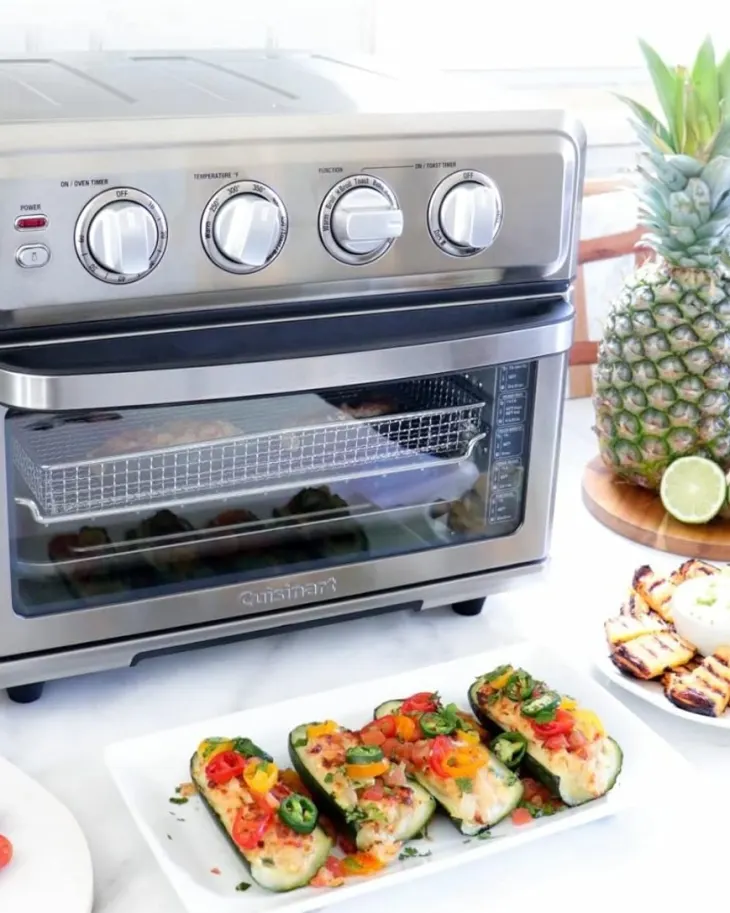
What’s the best temperature to toast a croissant?
The ideal temperature is between 325°F and 350°F (165°C to 175°C). This range is hot enough to crisp the exterior and warm the interior without burning the delicate, buttery dough.
How do you make a stale croissant crispy again?
To revive a stale croissant, lightly mist it with water from a spray bottle or just run it quickly under a tap. Toast it in a preheated 350°F (175°C) oven or toaster oven for 5-7 minutes. The water creates steam, rehydrating the inside while the heat crisps the outside.
Can I toast a frozen croissant?
Yes, you can. Do not thaw it first. Place the frozen croissant in a toaster oven or regular oven at 350°F (175°C) and bake for about 7-10 minutes. This will thaw and toast it all in one go, resulting in a surprisingly fresh-tasting pastry.
How long does it take to toast a croissant?
In a preheated toaster oven at 350°F (175°C), it typically takes 3 to 5 minutes. In an air fryer at around 320°F (160°C), it might only take 2 to 3 minutes. Always watch it closely as times can vary.
Should I cut a croissant before toasting?
Generally, no. It’s best to toast a croissant whole to preserve its internal moisture and airy texture. The only time you should cut it is if you’re using a standard pop-up toaster, in which case you must cut it in half.
The Final Word on Croissant Perfection
There you have it—everything you need to know about how to toast a croissant like a true professional. It’s not about having the most expensive equipment; it’s about understanding the simple science of heat and pastry. By choosing the right appliance (hello, toaster oven!) and using a gentle, patient approach, you can turn a simple morning pastry into a moment of pure, buttery bliss. So go forth, be brave, and never settle for a sad, soggy croissant again. Your breakfast will thank you for it.