Let’s be honest, we’ve all been there. You pop a slice of your favorite artisan sourdough into the toaster, dreaming of that perfect golden-brown crunch. What comes out? A slice that’s burnt on one side and barely warm on the other. It’s the kind of breakfast tragedy that can put a damper on your whole morning. But what if I told you there’s a simple, often overlooked feature that’s the key to banishing uneven toast forever? That’s where we dive into the question: What Is A Self Adjusting Slot? It might sound technical, but trust me, it’s the unsung hero of the toaster world.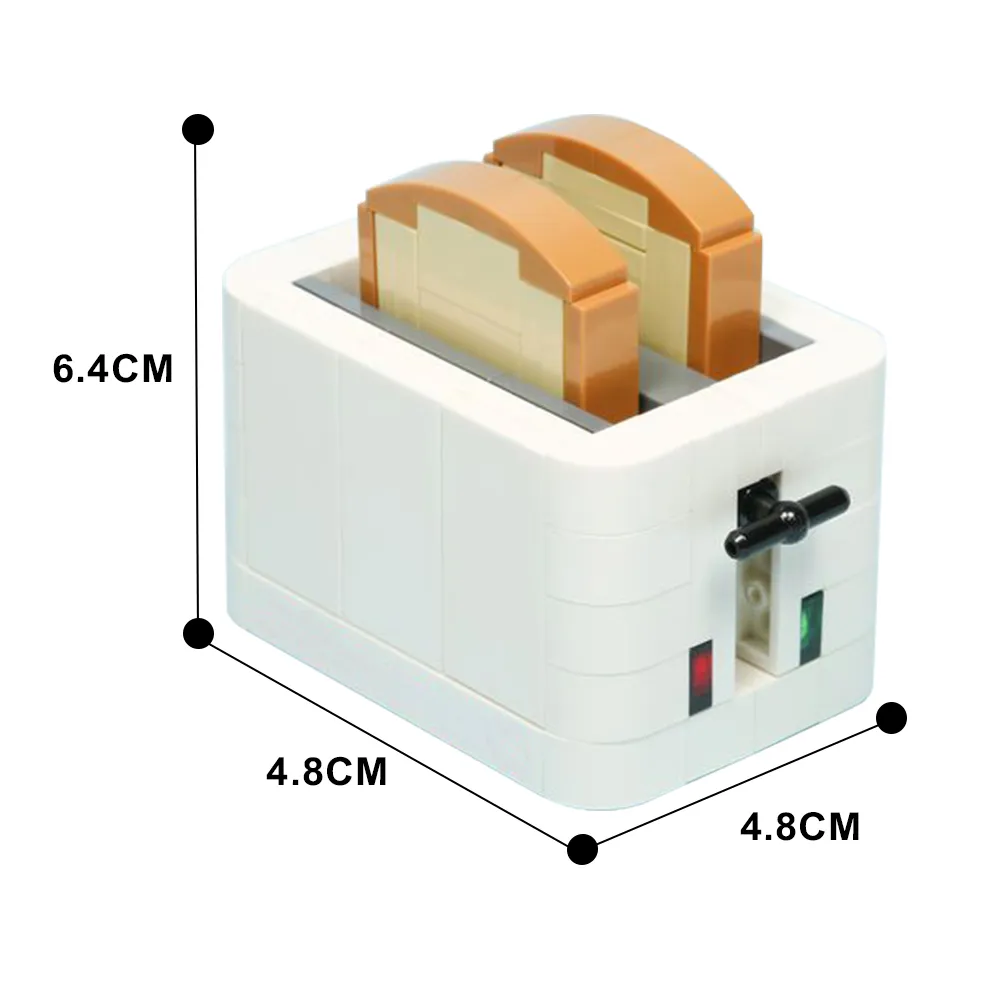
Here at The Toaster World, we believe every slice deserves to be toasted to perfection. This one feature is arguably the most important innovation since the pop-up mechanism itself. It’s the difference between a good toaster and a great one. So, grab a cup of coffee, and let’s unravel the magic behind the perfect slice.
The Quest for Even Toast: A Brief History
To truly appreciate the self-adjusting slot, you have to understand the problem it solves. Early toasters were, to put it mildly, a bit primitive. They were essentially open cages with heating elements. You had to manually flip the bread, and the results were wildly inconsistent.
The pop-up toaster, invented in the 1920s, was a huge leap forward, but it still had a fundamental flaw: the slots were a fixed width. This worked fine for the standardized, thin-sliced white bread of the era. But as our culinary tastes evolved to include thick-cut brioche, rustic farmhouse loaves, fluffy bagels, and frozen waffles, the fixed-width slot just couldn’t keep up. Thinner slices would lean against one heating element and burn, while thicker items would get squashed or stuck. It was a mess. The industry needed a solution.
So, What Is a Self Adjusting Slot, Really?
A self adjusting slot, sometimes called a self-centering guide, is a mechanism inside a toaster that automatically grips the bread, no matter its thickness, and holds it perfectly in the middle of the slot. This ensures the bread is an equal distance from the heating elements on both sides.
Think of it like getting a gentle, supportive hug. When you lower the lever on a toaster with this feature, a set of internal wire guides or spring-loaded walls gently moves inward to cradle the slice. It doesn’t matter if you’re toasting a paper-thin slice of rye or a chunky, hand-cut piece of challah; the toaster adapts.
Expert Take: “The single greatest factor in achieving even browning is proximity to the heat source,” notes kitchen appliance expert Dr. Eleanor Vance. “A self-adjusting slot eliminates the guesswork. It’s a simple mechanical solution to a very common problem, and it’s what separates basic toasters from those that deliver consistently excellent results.”
How Does It Actually Work? The Mechanics Behind the Magic
The mechanism is beautifully simple. Inside each toaster slot, there are two sets of grates or guides connected to a spring-loaded system. When you press the carriage lever down, these guides are designed to move in unison. They close in on the bread slice, stopping when they make contact, effectively centering it.
- For thin slices: The guides travel further inward to hold the slice upright and centered.
- For thick slices: The guides only move a small amount, providing just enough pressure to secure the bread without compressing it.
This elegant engineering ensures that both sides of your bread receive the same amount of radiant heat, leading to that coveted, perfectly uniform golden-brown finish.
Why Should You Care? The Real-World Benefits
Now that you know what is a self adjusting slot is, let’s talk about why it’s a non-negotiable feature for your next toaster.
- Flawless, Even Browning: This is the main event. No more disappointing toast with zebra stripes or one pale side. Your bread will be evenly toasted from crust to crust, every single time.
- Unmatched Versatility: This feature makes your toaster a true multi-tasker. It can handle a huge variety of items:
- Thick-cut bagels
- English muffins
- Frozen waffles and pancakes
- Artisan breads of varying thickness
- Texas toast
- Prevents Burning and Sticking: By keeping thinner slices from flopping over and touching the hot elements, it drastically reduces the risk of burning and smoking. It also helps prevent thicker slices from getting wedged and stuck, which can be a fire hazard.
Beyond the Basics: Features to Look for in Your Next Toaster
While a self adjusting slot is critical, it’s one piece of the puzzle. When you’re shopping, keep an eye out for these other features that work in harmony with it to create the ultimate toasting experience.
- Extra-Wide Slots: Look for slots that are at least 1.5 inches wide. This, combined with self-adjusting guides, gives you maximum flexibility for bagels and thick breads.
- A “Bagel” Setting: This feature is brilliant. It typically toasts the cut side of the bagel more intensely while gently warming the rounded outer side.
- A “Lift and Look” or High-Lift Lever: This allows you to check on your toast’s progress without canceling the cycle. A high-lift feature makes it easy to retrieve smaller items like English muffins without burning your fingers.
- Precise Browning Control: Dial or slide controls with multiple settings give you more control than a simple “light/dark” switch.
- Defrost Function: Perfect for toasting bread or waffles straight from the freezer. It adds a little extra time to the cycle to thaw the item before toasting it.
- Removable Crumb Tray: This is a must-have for easy cleaning. A clean toaster is a safe and efficient toaster. You can learn more about keeping your appliance in top shape with our [guide on cleaning toasters].
|
Our Picks for the Best Toaster in 2026
As an Amazon Associate, we earn from qualifying purchases.
|
||
| Num | Product | Action |
|---|---|---|
| 1 | Amazon Basics 2 Slice Toaster, With 6 Browning Settings, Extra Wide Slots For Bagels and Special Breads, Removable Easy-to-Clean Crumb Tray, Cancel/Defrost/Bagel Buttons, 900W, Black & Silver |

|
| 2 | Cuisinart 4 Slice Toaster, Compact Stainless Steel Toaster with Extra-Wide Slots for Toasting Bread, French Toast, Bagels and Pastries, Defrost & Reheat Functions, CPT-180P1, Brushed Stainless |
|
| 3 | Elite Gourmet ECT-3100 Long Slot 4 Slice Toaster, Reheat, 6 Toast Settings, Defrost, Cancel Functions, Built-in Warming Rack, Extra Wide Slots for Bagels & Waffles, Stainless Steel & Black |
|
| 4 | Hamilton Beach 2 Slice Toaster with Extra-Wide Slots, Bagel Setting, Toast Boost, Slide-Out Crumb Tray, Auto-Shutoff & Cancel Button, Defrost Function, Stainless Steel (22794) |
|
| 5 | Amazon Basics 4 Slice Toaster, 6 Browning Settings, Removable Crumb Tray, Bagel and Defrost Function, Cancel Button, 1600W, Black |
|
| 6 | Mueller UltraToast Full Stainless Steel Toaster 4 Slice, Long Extra-Wide Slots for Bagels and Waffles, 6 Browning Levels, LED Display, Cancel/Defrost/Reheat Functions & Removable Tray, Kitchen Gadgets |
|
| 7 | Elite Gourmet ECT1027B Cool Touch Toaster with 6 Temperature Settings & Extra Wide 1.25\" Slots for Bagels, Waffles, Specialty Breads, Puff Pastry, Snacks, ETL Certified, 2 Slices, Black |
|
| 8 | Amazon Basics 2 Slice Toaster, With 6 Browning Settings, Extra Wide Slots For Bagels and Special Breads, Removable Easy-to-Clean Crumb Tray, Cancel/Defrost/Bagel Buttons, 900W, Black & Silver |
|
| 9 | bella 2 Slice Slim Toaster, Fits-anywhere™ Kitchenware, 6 Setting Shade Control with Reheat & Cancel Buttons, Fits sourdough, 10” Long Slot, Anti Jam & Auto Shutoff, 900 Watt, Oatmilk |
|
| 10 | Black Toaster 2 Slice, Extra Wide Slot Toaster for Bagels, Bread, Waffles, 7 Shade Settings, 4 Main Functions, Removable Crumb Tray, 900 Watts Toasters, Black Stainless Steel |
|
Getting the Most Out of Your Toaster: Pro Tips and Tricks
Owning a great toaster is one thing; knowing how to use it like a pro is another. As your resident expert at The Toaster World, I’ve picked up a few tricks over the years.
- Start Low: If you’re toasting a new type of bread, always start with a lower browning setting. You can always pop it back in for another 30 seconds, but you can’t un-burn toast!
- One Slice, One Slot: If you’re only toasting one slice in a two-slot toaster, be aware that some models may toast slightly faster because all the energy is concentrated. You might need to adjust your settings accordingly.
- Clean the Crumb Tray Weekly: A buildup of crumbs can not only smell bad when they burn but can also be a fire risk. Make it a part of your weekly kitchen cleanup routine.
- Don’t Be Afraid to Experiment: Your toaster can do more than just bread. Try toasting slices of pound cake (watch it carefully!), reheating a slice of pizza, or making quick garlic bread by toasting buttered slices with a sprinkle of garlic powder.
Comparing Top Toasters with Self-Adjusting Slots
To help you see how this feature fits into the bigger picture, here’s a quick comparison of a few popular models known for their excellent performance.
| Model | Slot Width | Key Features | Best For |
|---|---|---|---|
| Brand A Classic 2-Slice | 1.5 inches | Self-Adjusting Slots, Bagel Setting, High-Lift Lever | Everyday use, bagel lovers |
| Brand B Pro 4-Slice | 1.6 inches | Self-Adjusting Slots, Dual Controls, LED Countdown | Large families, serious toast enthusiasts |
| Brand C Compact Edition | 1.4 inches | Self-Adjusting Slots, Compact Design, Defrost | Small kitchens, apartments |
As you can see, the self adjusting slot is a standard feature on quality models. The real differences come down to capacity, extra functions, and design. You can find detailed breakdowns in our [in-depth toaster reviews section].
Frequently Asked Questions (FAQ)
Q1: Do all modern toasters have a self adjusting slot?
No, not all of them. Cheaper, entry-level models often have fixed-width slots to keep costs down. It’s a key feature that distinguishes a budget toaster from a mid-range or high-end one, and it’s always worth checking for in the product specifications.
Q2: Can I toast a bagel in a toaster with self-adjusting slots?
Absolutely! In fact, it’s the best way to toast a bagel. The guides will center the thick bagel half perfectly, ensuring it doesn’t get squished or toasted unevenly. For the best result, use a toaster that also has a dedicated “bagel” setting.
Q3: How can I tell if a toaster has self-adjusting slots?
The easiest way is to check the product description or box for terms like “self-adjusting slots,” “self-centering guides,” or “extra-wide slots with automatic adjustment.” You can also often see the wire guides inside the slots if you look closely.
Q4: Does a self adjusting slot make a toaster harder to clean?
Not at all. The cleaning process is the same. The guides are part of the internal carriage and don’t interfere with your ability to empty the removable crumb tray or gently shake out any stubborn crumbs (when the toaster is unplugged and cool, of course).
Q5: Is a toaster with this feature more expensive?
Generally, toasters with a self adjusting slot cost slightly more than the most basic models, but the feature is widely available and not considered a luxury. The small increase in price is more than worth it for the huge improvement in performance and consistency.
The Final Word on Your Toasting Journey
So, what is a self adjusting slot? It’s the simple, brilliant answer to the age-old problem of uneven toast. It’s the feature that ensures your thick-cut brioche gets as much love as your thin-sliced multigrain. It’s the gatekeeper of a golden-brown breakfast and the silent partner in your morning routine.
When you’re ready to upgrade your toaster, don’t get distracted by shiny chrome or a dozen confusing buttons. Look for the fundamentals, and at the very top of that list should be a high-quality self-adjusting slot. It’s a small detail that makes a world of difference, turning a simple appliance into a reliable tool for creating a small, perfect moment to start your day.