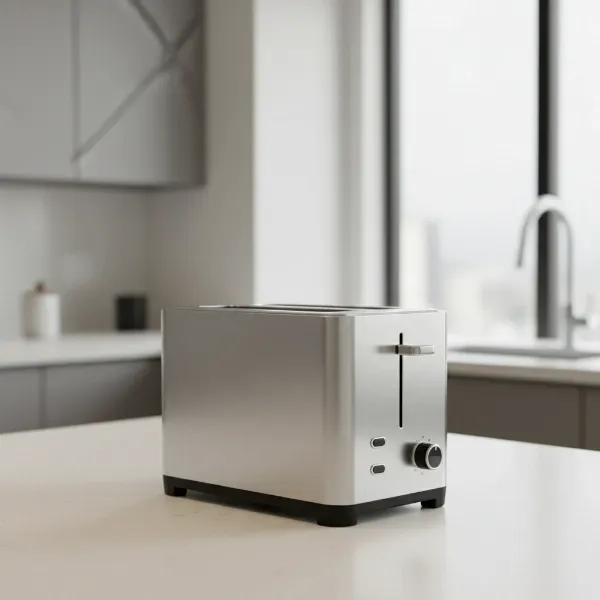
Achieving that perfectly golden, uniformly crunchy slice of toast can often feel like a culinary lottery. One side might be beautifully browned, while the other remains pale or, worse, charred. This common kitchen frustration doesn’t just impact your breakfast aesthetics; overly burnt toast can even develop bitter flavors and potentially higher levels of undesirable compounds. For anyone who appreciates the simple perfection of evenly browned toast, understanding why this happens and how to fix it is key to elevating your morning routine.
Understanding the Culprits: Why Your Toaster Plays Favorites
Before you can fix the problem, it’s essential to pinpoint the root cause. Uneven browning can stem from a combination of issues related to your toaster’s mechanics and the very bread you’re toasting.
Toaster-Related Issues
Your toaster, a seemingly simple appliance, has several components that can contribute to inconsistent results.
- Worn-Out or Faulty Heating Elements: Over time, the nichrome wires that glow red hot inside your toaster can degrade. If one side’s elements are weaker or closer to the bread than the other, it will inevitably lead to localized burning or under-toasting. Sometimes, elements might be pressed flush against the backing, hindering proper heat distribution.
- Tilted Bread Carriage and Guides: The metal guides that cradle your bread can become wobbly or tilted with repeated use. If your bread isn’t held perfectly upright and centered within the slot, one side will be closer to the heating elements, receiving more intense heat and browning faster.
- Accumulated Crumbs and Debris: It might sound trivial, but a build-up of crumbs at the bottom of your toaster can create “hot spots.” These crumbs can block airflow, insulate certain areas, or even interfere with the heating elements themselves, disrupting an even heat distribution.
- Inconsistent Power Supply: In some cases, especially with older appliances, fluctuations in your household’s electrical voltage can cause your toaster to behave erratically, leading to inconsistent heating performance.
- Design and Manufacturing Variations: The reality is that not all toasters are created equal. Some budget-friendly models might have inherent design limitations, with heating coils or internal reflectors that are simply not engineered for perfect symmetry in browning.
- The “Bagel” Setting Dilemma: Many toasters feature a “bagel” button. When activated, this setting is designed to toast only one side of the bread (the cut side of a bagel) while merely warming the other. Accidentally leaving this setting on for regular toast slices is a common cause of single-sided browning.
|
Our Picks for the Best Toaster in 2026
As an Amazon Associate I earn from qualifying purchases.
|
||
| Num | Product | Action |
|---|---|---|
| 1 | STRING SET BASS STD 45w 55w 75w 105w |

|
| 2 | bella 2 Slice Slim Toaster, Fits-anywhere™ Kitchenware, 6 Setting Shade Control with Reheat & Cancel Buttons, Fits sourdough, 10” Long Slot, Anti Jam & Auto Shutoff, 900 Watt, Plum |
|
| 3 | bella 2 Slice Slim Toaster, Fits-anywhere™ Kitchenware, 6 Setting Shade Control with Reheat & Cancel Buttons, Fits Sourdough, 10” Long Slot, Anti Jam & Auto Shutoff, 900 Watt, Surf |
|
| 4 | bella 2 Slice Slim Toaster, Fits-anywhere™ Kitchenware, 6 Setting Shade Control with Reheat & Cancel Buttons, Fits Sourdough, 10” Long Slot, Anti Jam & Auto Shutoff, 900 Watt, Seaglass |
|
| 5 | bella 2 Slice Slim Toaster, Fits-anywhere™ Kitchenware, 6 Setting Shade Control with Reheat & Cancel Buttons, Fits sourdough, 10” Long Slot, Anti Jam & Auto Shutoff, 900 Watt, Blossom |
|
| 6 | Touch Screen Toaster - 4 Slice, 2 Extra Long Slots - 5 Bread Types and 6 Browning Levels - Defrost, Reheat, Favorite, & Single Slot Modes - For Toast, Bagels, & Waffles – White |
|
| 7 | Elite Gourmet ECT1027B Cool Touch Toaster with 6 Temperature Settings & Extra Wide 1.25" Slots for Bagels, Waffles, Specialty Breads, Puff Pastry, Snacks, ETL Certified, 2 Slices, Black |
|
| 8 | KEYWIND VTG RIC DELUXE LONG SE |
|
| 9 | Amazon Basics 2 Slice Toaster, With 6 Browning Settings, Extra Wide Slots For Bagels and Special Breads, Removable Easy-to-Clean Crumb Tray, Cancel/Defrost/Bagel Buttons, 900W, Black & Silver |
|
| 10 | bella 2 Slice Slim Toaster, Fits-anywhere™ Kitchenware, 6 Setting Shade Control with Reheat & Cancel Buttons, Fits sourdough, 10” Long Slot, Anti Jam & Auto Shutoff, 900 Watt, Oatmilk |
|
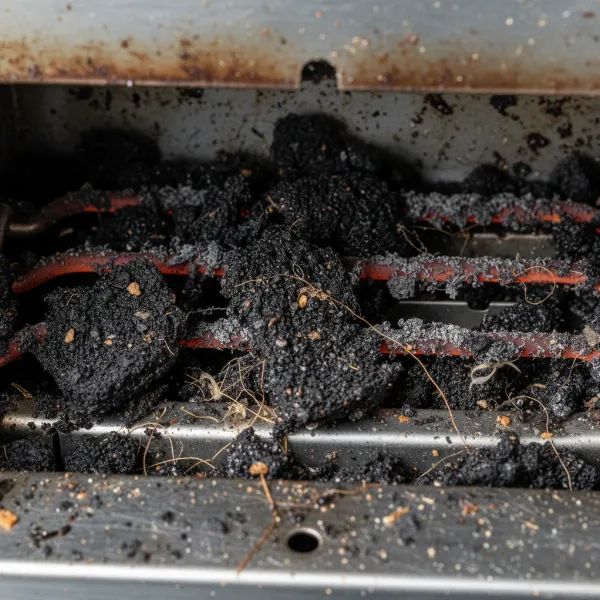 A toaster with a full crumb tray showing accumulated crumbs and debris preventing even heat
Bread-Related Factors
It’s not always the toaster’s fault. The bread itself plays a significant role in how evenly it toasts.
- Moisture and Sugar Content: The composition of your bread greatly influences browning. Fresh bread, with its higher moisture content, can take longer to toast, as the toaster first needs to dry it out. Bread with high sugar content, such as brioche or raisin bread, will brown much more quickly and can easily burn if the setting isn’t adjusted. Even different parts of the same loaf can toast differently; end slices are often drier than middle slices.
- Bread Type, Density, and Size: Different bread types — from light white sandwich bread to dense sourdough or thick Texas toast — all react differently to heat. A larger slice crammed into a smaller slot, or a small slice sitting too loosely, won’t receive uniform heat exposure.
- Deformed Bread Slices: If your bread slices are bent, curled, or otherwise deformed, they won’t sit flat against the heating elements. This uneven contact inevitably leads to uneven browning. Improper bread storage, such as stacking loaves, can contribute to deformation.
Your Toolkit for Even Toast: Practical Solutions
Armed with an understanding of the common causes, you can now take steps to achieve that elusive, perfectly golden slice.
Toaster Maintenance Essentials
Regular care and occasional adjustments can significantly improve your toaster’s performance.
- Regular Crumb Tray Cleaning: This is perhaps the simplest yet most effective step. Unplug your toaster, slide out the crumb tray, and thoroughly empty it. For stubborn crumbs, turn the toaster upside down and gently shake or tap its sides. This prevents crumb build-up from creating hot spots or interfering with heating.
- Inspecting and Adjusting Internal Components: With the toaster unplugged, carefully inspect the bread guides. If they appear wobbly or tilted, some mid-range to higher-end models might allow for gentle adjustment using needle-nose pliers to re-center them. Similarly, if you notice heating elements pressed against the toaster’s backing, gently (and only with the toaster unplugged) move them slightly away using a non-conductive tool like a wooden skewer.
- Cleaning Sensor Windows (for digital models): Digital toasters often use sensors to monitor the browning process. A gentle wipe with rubbing alcohol on these sensor windows can restore their accuracy and help maintain consistent toasting.
“A perfectly functioning toaster isn’t just about convenience; it’s about minimizing frustration and enjoying every bite. Simple maintenance can often be the difference between disappointment and daily delight.” – Chef Elena Rodriguez, Culinary Instructor
Mastering Toasting Techniques
Beyond maintenance, how you use your toaster and prepare your bread can make a world of difference.
- Choosing the Right Bread: For the most consistent results, opt for bread that is one to two days old rather than freshly baked. The slight reduction in moisture content helps the bread toast more evenly.
- Optimal Bread Storage: Avoid storing bread in the refrigerator, as this can increase its moisture retention and make it harder to toast evenly. Store it at room temperature to allow some moisture to dissipate naturally.
- Adjusting Toaster Settings for Different Bread Types: Don’t use the same setting for every type of bread. High-sugar breads require a lower setting to prevent burning, while dense wholemeal or gluten-free varieties might need a slightly higher setting or longer duration. Always double-check that the “Bagel” setting is off for regular toast.
- The Halfway Flip: A Simple Hack: If your toaster consistently browns unevenly, a manual intervention can work wonders. After about half of the typical toasting cycle, pause the toaster, flip your bread slice, and then resume the cycle. This ensures both sides receive an equal amount of direct heat.
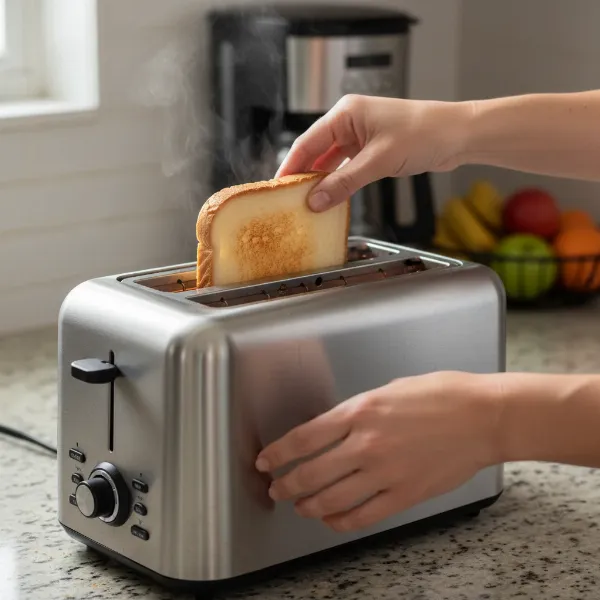 A hand flipping a partially toasted slice of bread in a pop-up toaster for even browning.
- Ensuring Proper Bread Fit: Make sure your bread fits snugly but not tightly within the toaster slots. Bread that is too small might sit too loosely, while overly large or thick slices might get jammed or not fully descend, leading to uneven exposure.
- Pre-Toasting Cycles: Sometimes, running an empty cycle or a very light first toast can warm up the toaster, preparing it for a more even second toast, especially if your toaster tends to start cold.
Alternative Toasting Methods
If your traditional toaster just isn’t cutting it, or you’re looking for different textures, other kitchen appliances can step in.
- The Dependable Toaster Oven: A toaster oven offers more control over heat distribution. Preheat it to around 350-425 degrees Fahrenheit (depending on bread thickness) and place your bread on a rack. Flipping the bread halfway through will ensure even browning. For delicate edges, you can even wrap them in a thin strip of aluminum foil to prevent scorching.
- Pan-Frying for a Rich, Even Brown: For a truly decadent and evenly browned slice, pan-frying is an excellent option. Melt some butter or heat a little oil in a non-stick pan over medium heat. Toast your bread, pressing it gently with a spatula, and flip it once golden brown. This method delivers a consistent, rich crust.
When to Consider an Upgrade: Investing in Evenness
Despite your best efforts with cleaning and technique, sometimes a toaster is simply past its prime or inherently flawed.
- Signs Your Toaster is Beyond Repair: If heating elements are visibly broken, severely discolored, or consistently fail to heat evenly after thorough cleaning and adjustment, it might be time for a replacement. Persistent issues with the carriage mechanism or extreme differences in browning, even after the halfway flip, are also strong indicators.
- Features to Look For in a New Toaster for Consistent Results: When buying a new toaster, look for features like self-centering bread guides, wide slots to accommodate various bread types, multiple browning settings, and even dedicated defrost or reheat functions. High-quality heating elements and robust construction are key to long-term, even performance.
Tips for Toaster Usage and Care
Maintaining your toaster isn’t just about even browning; it’s about safety and longevity.
- Safe Operation: Always ensure your toaster is unplugged before attempting any cleaning or internal adjustments. Never insert metal objects into a plugged-in toaster.
- Cleaning Best Practices: Beyond the crumb tray, occasionally wipe down the exterior of your toaster with a damp cloth. Avoid abrasive cleaners that can damage the finish.
- Troubleshooting Common Issues: If your toast is consistently too light or too dark, experiment with different browning settings. If only one slot toasts unevenly, try toasting in a different slot to identify if the issue is specific to one element.
Conclusion
The pursuit of perfectly toasted bread shouldn’t be a daily struggle. By understanding the common causes of uneven browning—from neglected crumbs and faulty heating elements to variations in bread moisture—you can take proactive steps to improve your toasting game. Regular maintenance, smart toasting techniques like the halfway flip, and knowing when to consider an upgrade are all part of the journey to achieving that consistently golden, satisfying crunch. So, why settle for anything less than toast perfection? With these insights, you’re well-equipped to master your toaster and elevate every breakfast.
Frequently Asked Questions
Can a dirty toaster cause uneven browning?
Absolutely. Accumulated crumbs can create hot spots or block the even distribution of heat, directly leading to uneven browning on your toast slices. Regular cleaning of the crumb tray is essential.
Why does my toast burn on one side only?
This often indicates an issue with your toaster’s heating elements or bread positioning. One side’s elements might be heating more intensely, or the bread carriage might be tilted, causing one side of the slice to be closer to the heat source.
Does fresh bread toast differently?
Yes, fresh bread typically has a higher moisture content, which means it takes longer to toast evenly. The toaster first needs to dry out the bread before it can effectively brown it. Using day-old bread can often yield more consistent results.
How often should I clean my toaster?
For optimal performance and to prevent uneven browning, it’s recommended to clean your toaster’s crumb tray at least once a week, or more frequently if you use it daily.
Is it worth buying an expensive toaster for even browning?
While budget toasters can certainly work, higher-quality and often more expensive toasters typically feature better-engineered heating elements, more precise controls, and more durable components designed for consistent and even browning, making them a worthwhile investment for toast aficionados.